Mustang Font: Adding Authentic Texture to Your Brand
As a small business owner, I know the struggle of trying to make digital assets feel as tangible and authentic as the products we actually sell. We spend hours perfecting our handmade goods, curating boutique inventory, or brewing the perfect cup of coffee, only to have our branding look sterile or generic on screen. This is where the Mustang font becomes an essential tool in my design arsenal. It is not just another script typeface; it is a brush font that brings a necessary roughness and organic texture to modern business materials. For entrepreneurs who want their brand identity to feel human, approachable, and distinct, Mustang offers a practical solution for bridging the gap between digital polish and real-world authenticity.
Capturing Attention with Organic Typography
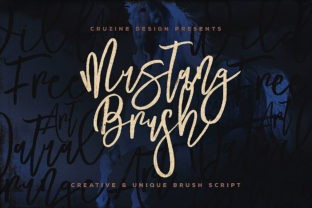
The visual personality of Mustang lies in its ability to mimic natural hand-lettering without looking messy or unprofessional. In a marketplace saturated with clean, geometric sans serif fonts, a textured brush font stands out because it signals craftsmanship. When customers see this style of typography, they subconsciously associate it with artisanal quality, personal care, and creative passion. This makes Mustang particularly effective for businesses in the maker space, hospitality, lifestyle coaching, and independent retail sectors.
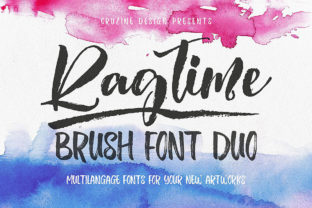
What sets this specific typeface apart is its versatility through variation. Mustang comes in three distinct styles that can be layered or used independently. This flexibility allows us to create hierarchy in our designs without breaking brand consistency. You might use the boldest variation for a primary logo or storefront sign, a medium weight for packaging headers, and a lighter, more delicate variation for accent details on thank-you cards. This built-in cohesion helps small teams maintain a professional look across diverse touchpoints without needing to hire a designer for every single asset.
Practical Applications Across Business Touchpoints
Integrating a display font like Mustang into your daily operations requires thinking beyond just "pretty letters." It is about functional communication. Here is how this font translates to real-world business scenarios:
- Product Packaging and Labels: For handmade candles, skincare lines, or specialty foods, Mustang adds immediate shelf appeal. The rough brush texture suggests natural ingredients and small-batch production. However, always ensure high contrast against the label background so product names remain legible at a glance.
- Social Media Graphics: On platforms like Instagram and Pinterest, users scroll quickly. Mustang serves as an excellent headline font for quotes, announcements, or new product drops. Its expressive nature stops the scroll better than standard system fonts, increasing engagement rates for organic content.
- Café Menus and Signage: In hospitality, readability is revenue. Use Mustang for section headers like "Espresso Bar" or "Fresh Pastries" to set the mood, but switch to a clean sans serif for item descriptions and prices. This creates a welcoming atmosphere while ensuring customers can easily read what they are ordering.
- Website Banners and Hero Images: Digital storefronts often lack soul. Using Mustang in your main website banner or hero section instantly communicates your brand’s vibe before the customer even reads the copy. It works exceptionally well overlaid on photography of textures, landscapes, or workspace shots.
- Email Marketing Headers: Stand out in crowded inboxes by using Mustang for newsletter titles. It feels less corporate and more like a personal note from a friend, which can improve open rates and click-throughs for relationship-based businesses.
Balancing Expression with Readability
While Mustang is undeniably stylish, responsible business owners must prioritize clarity. A beautiful font fails if your customer cannot read your price tag or navigate your website. Because Mustang is a decorative script amp font, it should primarily serve as a headline or accent typeface rather than body text. Reserve it for short phrases, logos, and emphasis points.
When designing for mobile screens or small product labels, test your sizing rigorously. Brush fonts can lose definition when scaled down too small, causing the ink-like edges to blur or disappear entirely. Always print physical proofs of your packaging and view your social media graphics on a phone screen before publishing. If the texture of Mustang starts to compromise legibility at smaller sizes, pivot to using it solely for large-format applications and select a simpler supporting font for detailed information.
Strategic Font Pairing for Professional Results
To make Mustang work effectively in a comprehensive brand identity, you need to pair it correctly. The goal is balance; let Mustang be the star while other fonts handle the heavy lifting of information delivery.
- Pair with a Geometric Sans Serif: For a modern, clean aesthetic, combine Mustang with a structured sans serif font like Montserrat or Open Sans. The contrast between the organic brush strokes and the rigid geometry creates a dynamic, contemporary look suitable for tech-adjacent creatives or modern boutiques.
- Pair with a Classic Serif: For heritage brands, bakeries, or luxury goods, pair Mustang with a traditional serif font. The serif conveys trust and history, while Mustang adds a layer of current creativity and warmth. This combination feels established yet fresh.
- Use Negative Space: Because Mustang has a lot of visual weight and texture, give it room to breathe. Do not crowd it with other decorative elements. Ample whitespace around the lettering enhances its impact and improves overall design sophistication.
Licensing and Commercial Considerations
Before integrating Mustang into your product labels, merchandise, or client templates, verifying commercial licensing is non-negotiable. As entrepreneurs, we must respect intellectual property and protect our businesses from legal risk. Check the specific license agreement provided by Script Amp or the foundry distributing this font. Some licenses cover basic commercial use like social media and internal documents but require an extended license for products intended for resale, such as printed apparel, mugs, or digital templates sold on marketplaces.
Treating font licensing as a standard business expense rather than an afterthought builds long-term sustainability. It ensures that as your business scales from Etsy to wholesale, or from local service to national shipping, your brand assets remain compliant and secure. Investing in the correct license for Mustang is an investment in your brand’s integrity.
Ultimately, typography is one of the most cost-effective ways to elevate a small business. Mustang provides that crucial element of tactile humanity that customers crave in an increasingly digital world. By applying it strategically across your marketing, packaging, and web presence, and pairing it with readable supporting typefaces, you create a brand identity that feels both professionally crafted and genuinely yours. Test it, refine it, and let the texture of your typography tell the true story of your business.